Retour sur ma participation à la table ronde Future4care & Cerballiance
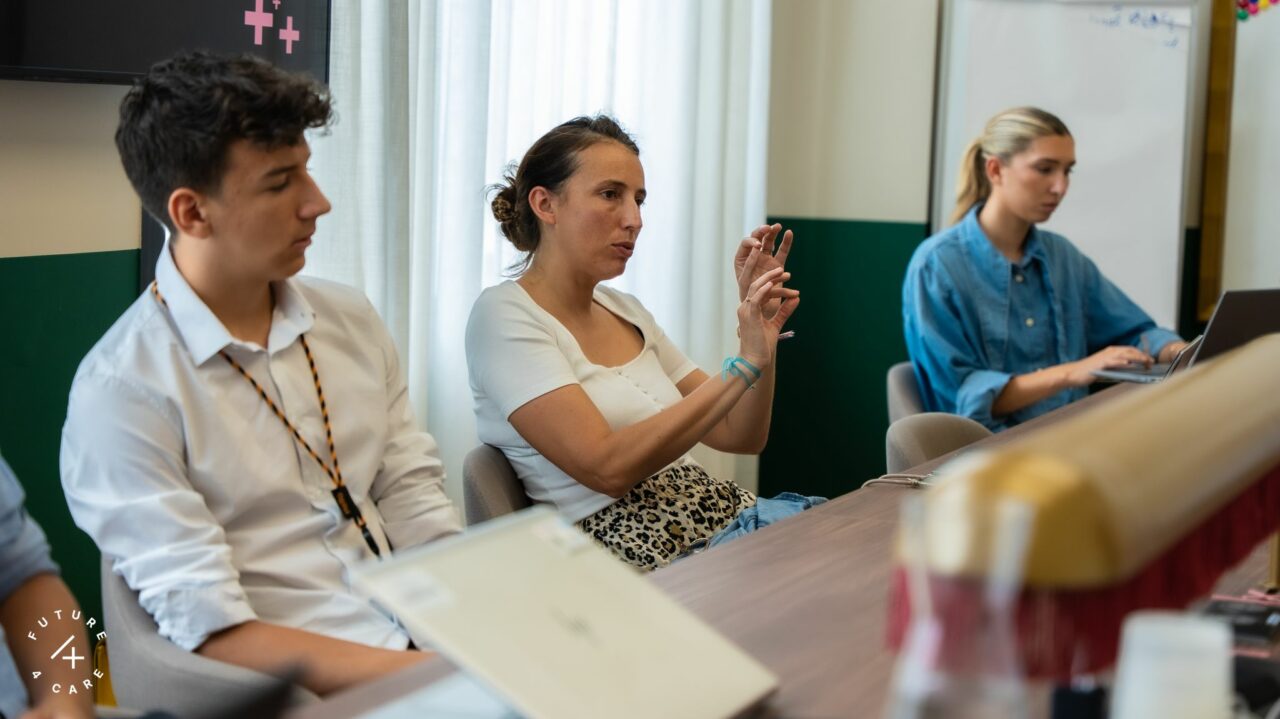
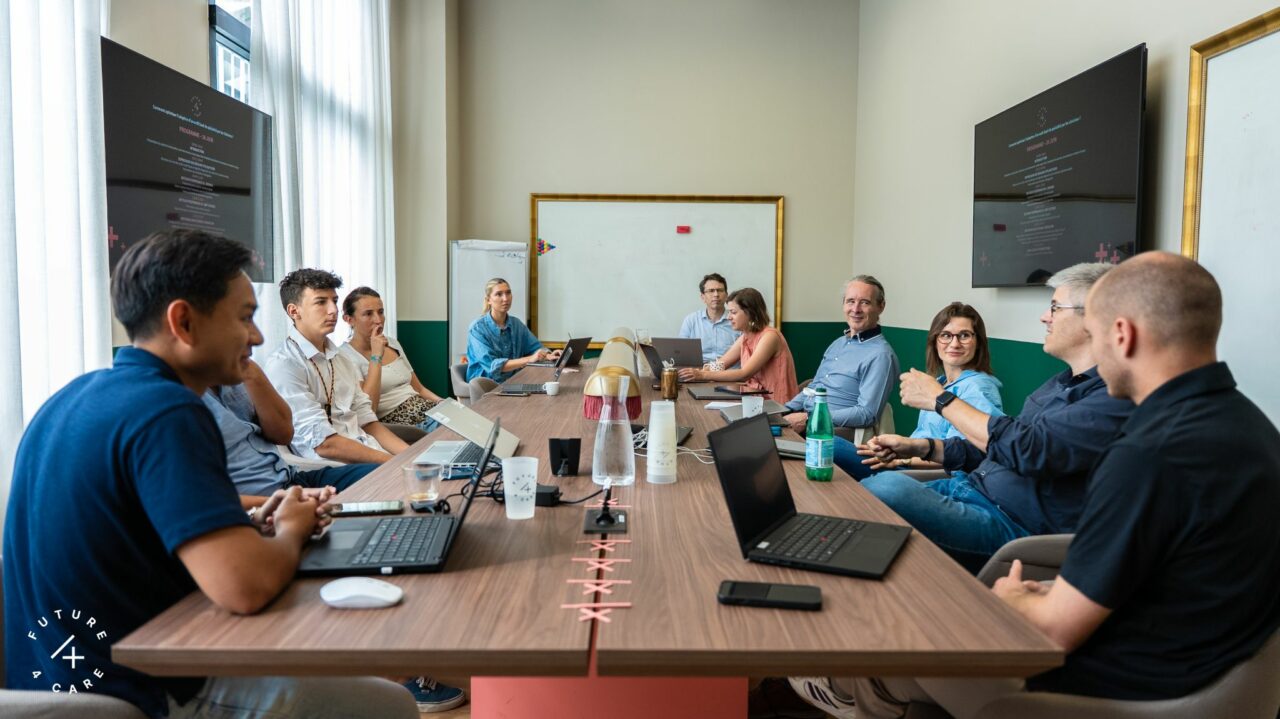
J’ai eu la chance de participer, en tant que représentant d’Enovacom, la branche e-santé d’Orange Healthcare, à une table ronde organisée par Future4care, l’incubateur créé par Orange Healthcare pour accompagner entreprises et startups innovantes dans le domaine de la santé. L’événement, en collaboration avec Cerballiance, réunissait cliniciens et experts pour échanger autour d’un sujet essentiel : comment l’UX peut favoriser l’adoption d’une solution SaaS en santé.
L’utile avant le beau
Bien que l’aspect esthétique soit important, il ne doit jamais compromettre la fonctionnalité dans les interfaces de santé. Une typographie lisible et des couleurs appropriées contribuent à la fois à l’efficacité de l’interface et à son attrait visuel, créant ainsi un équilibre parfait entre forme et fonction.
Pourquoi cela est-il si important ?
- Multiplier les points de vue
La conception d’un SaaS ne peut pas se limiter aux besoins des médecins. Les équipes paramédicales et administratives sont tout aussi concernées et doivent être intégrées dès les premières étapes. Identifier et challenger les besoins de chaque profil permet de concevoir un outil réellement adapté à tous. - Miser sur la simplicité
Les fonctionnalités les plus efficaces sont celles qui s’intègrent naturellement dans les habitudes existantes. Plus une solution s’aligne avec les usages quotidiens, plus son adoption est fluide. Il faut éviter à tout prix de créer une solution “fourre-tout”. À force de vouloir ajouter trop de fonctionnalités, on finit par diluer l’essence même du produit et perdre de vue sa vraie utilité. - Inclure la réglementation dès le départ
Dans le domaine médical, la conformité réglementaire doit être intégrée dès la phase de conception. C’est un gage de sécurité, de fiabilité et de pérennité pour le produit.
Ce qu’il faut retenir dans tout ça
Une bonne UX en santé, c’est celle qui s’ancre dans la réalité des pratiques, parle le langage des utilisateurs, et construit la confiance.